Local Tree Service in Jacksonville, FL for Your Home & Property
A hurricane rips through and leaves a water oak leaning over your driveway, or a stump from last year's storm still won't budge no matter how many times you've tried to dig around it. This professional tree service in Jacksonville, FL has handled both since 1990, working Jacksonville's sandy inland soil and saturated river-bottom ground with the same care. Call for a free written estimate and they'll tell you straight what your yard actually needs.
Free Written Estimates
No Advance Deposit
Licensed and Insured
24/7 Emergency Response
Local Since 1990
Their Tree Services in Jacksonville, FL
Tree Removal
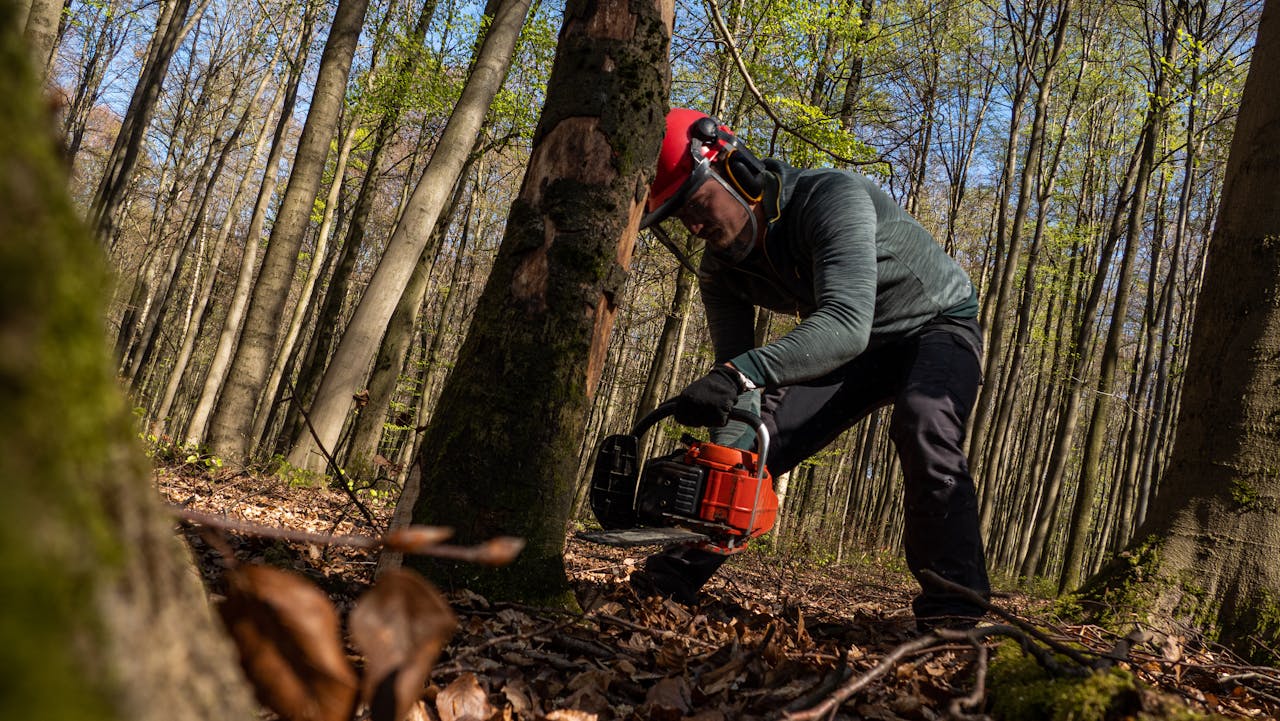
A laurel oak that's been dying from the inside for two seasons finally cracks at the base after a summer storm, and now it's leaning toward the house. The crew drops it in sections when the lot is tight, using rigging to lower each piece instead of letting it fall free. You end up with a cleared yard and one less thing that could come down on its own during the next hurricane. This applies from a single backyard tree to a stand of pines crowding a fence line.
Tree Trimming
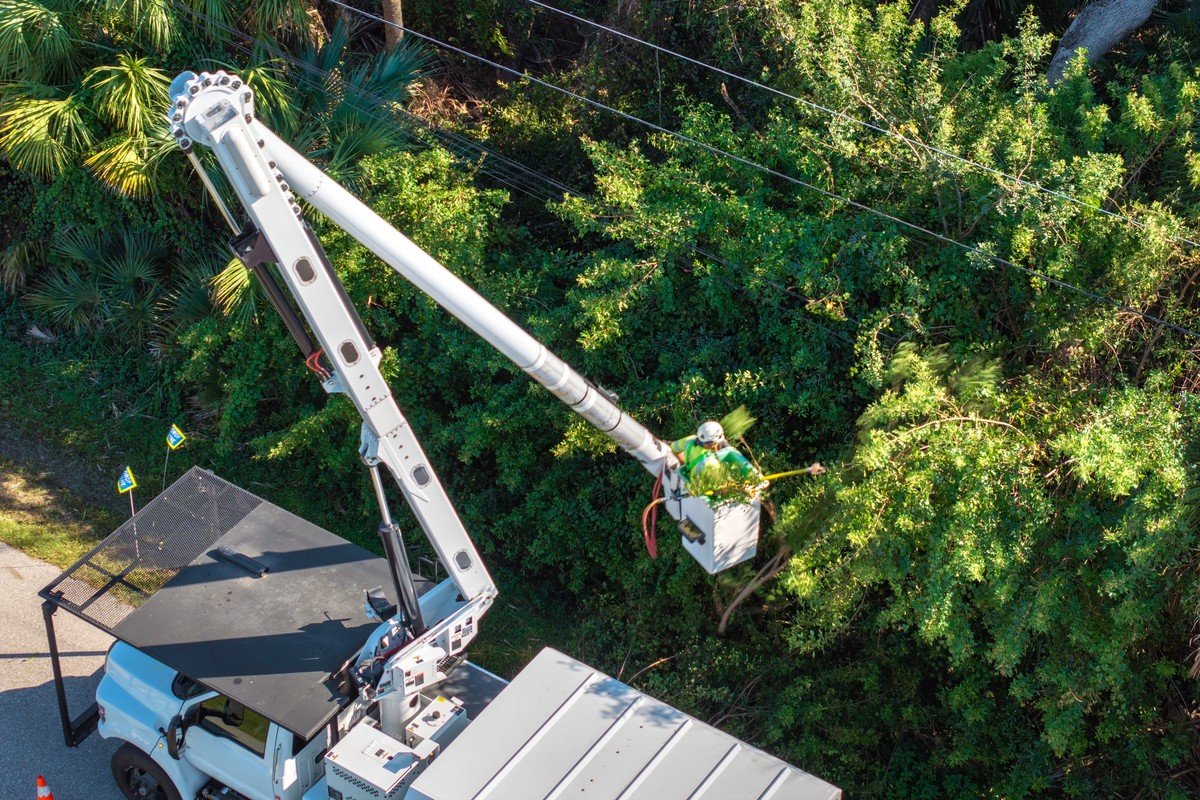
Live oak canopies grow heavy fast in this climate, and by year three or four the branches start hanging low enough to scrape a roof or tangle in power lines. They follow ANSI A300 pruning standards, cutting back deadwood and thinning weight before storm season arrives. Your tree keeps its shape and the pressure comes off the limbs most likely to snap. Palms near the coast get a different cut entirely, since salt spray and wind shear wear on them in ways inland oaks never see.
Tree Cutting
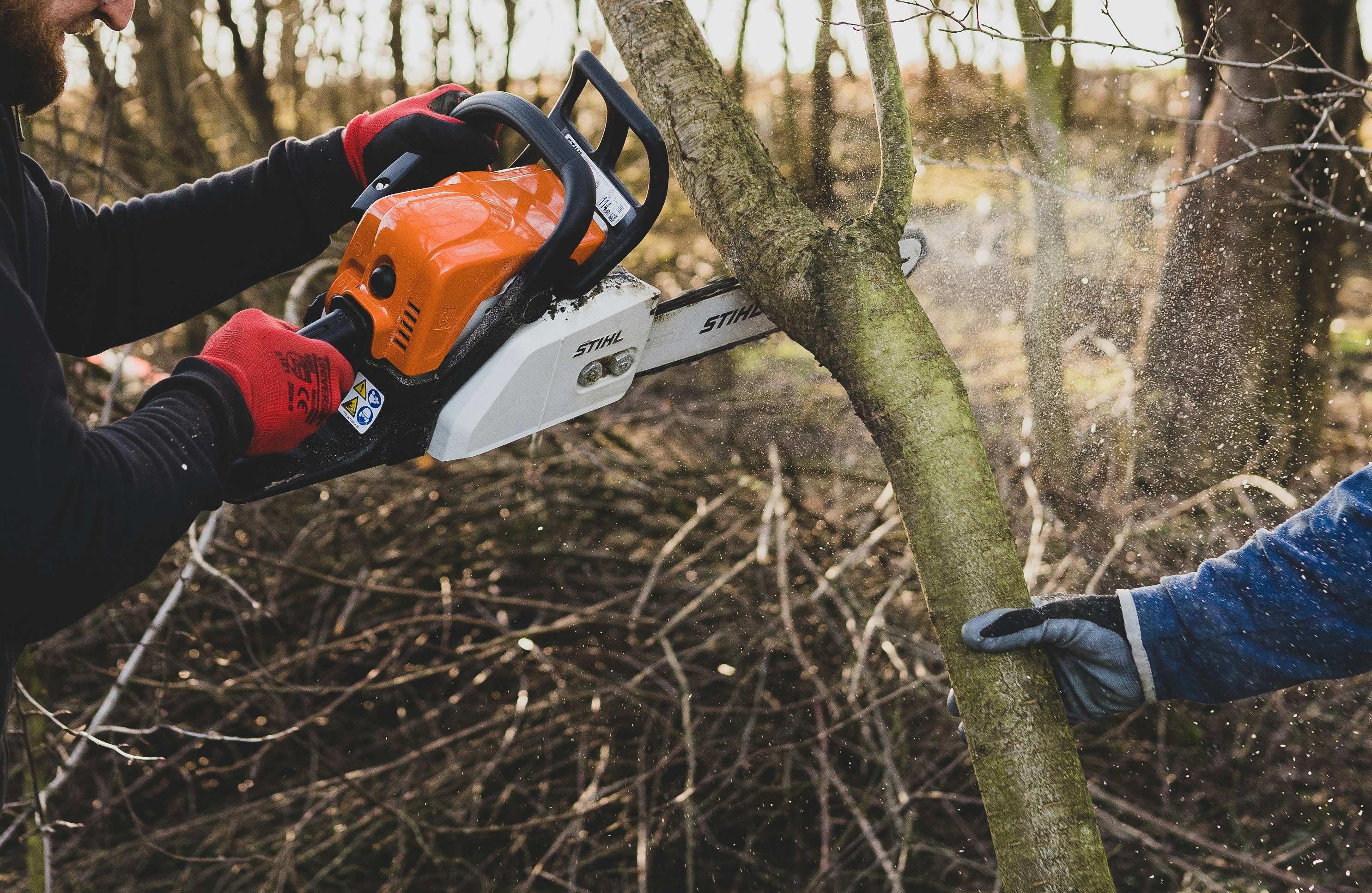
Sometimes a tree just needs to come down completely, whether it's diseased, in the way of a new addition, or simply unwanted. Directional felling lets them control exactly where the trunk lands, which matters on tight residential lots where a fence or a neighbor's shed sits ten feet away. The tree comes down clean without touching anything it shouldn't. They size up access and overhead lines before the first cut, not after.
Stump Grinding
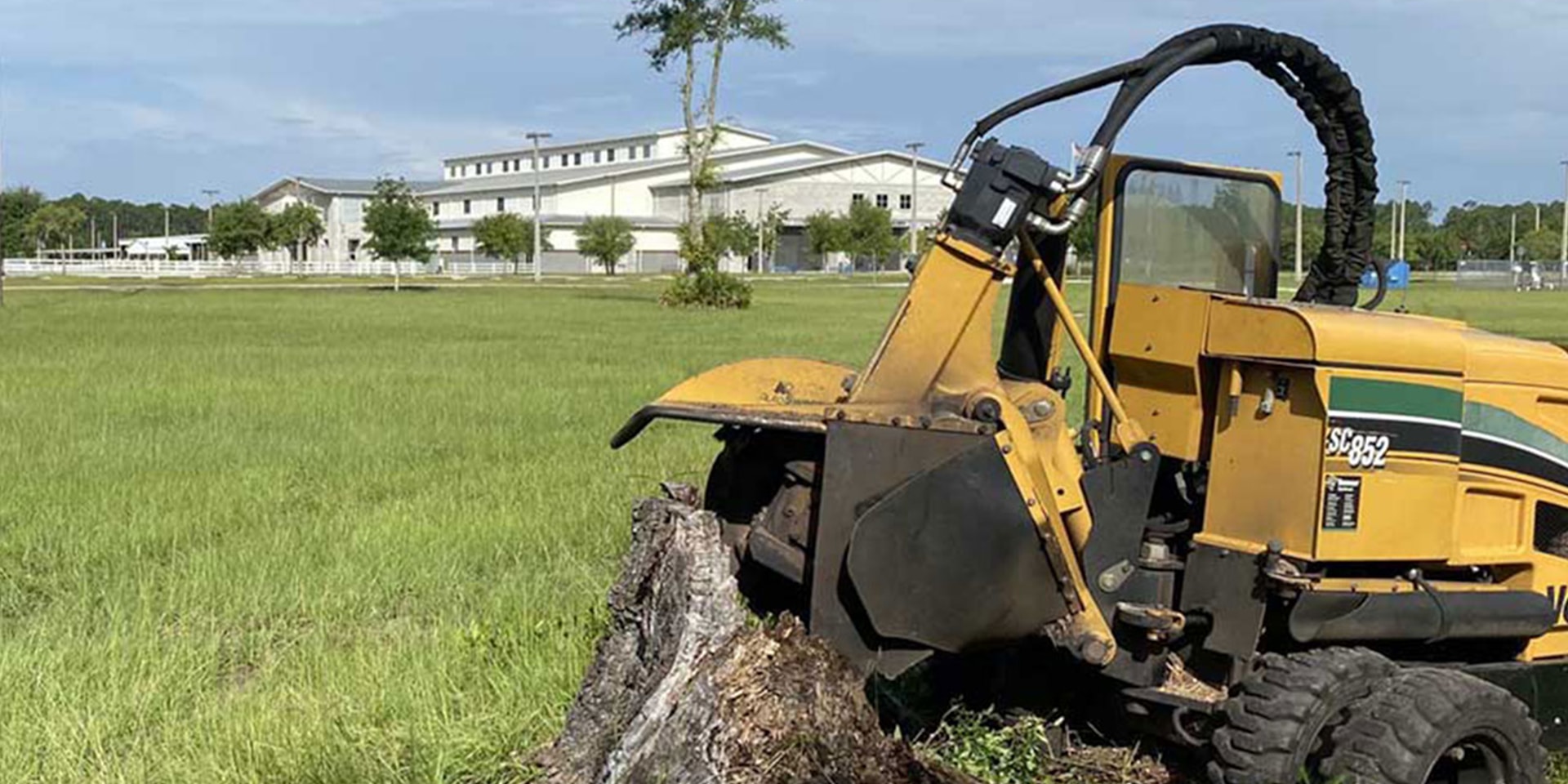
That stump sitting in the middle of your yard isn't just an eyesore, it's a mower hazard and a spot where new sprouts keep popping up. They grind 4 to 6 inches below grade, chip the debris on-site, and leave the area ready for grass or a flower bed. Most jobs take under an hour depending on the trunk diameter. Full stump removal is available too if you want the root system gone rather than just ground down.
Bush Hogging
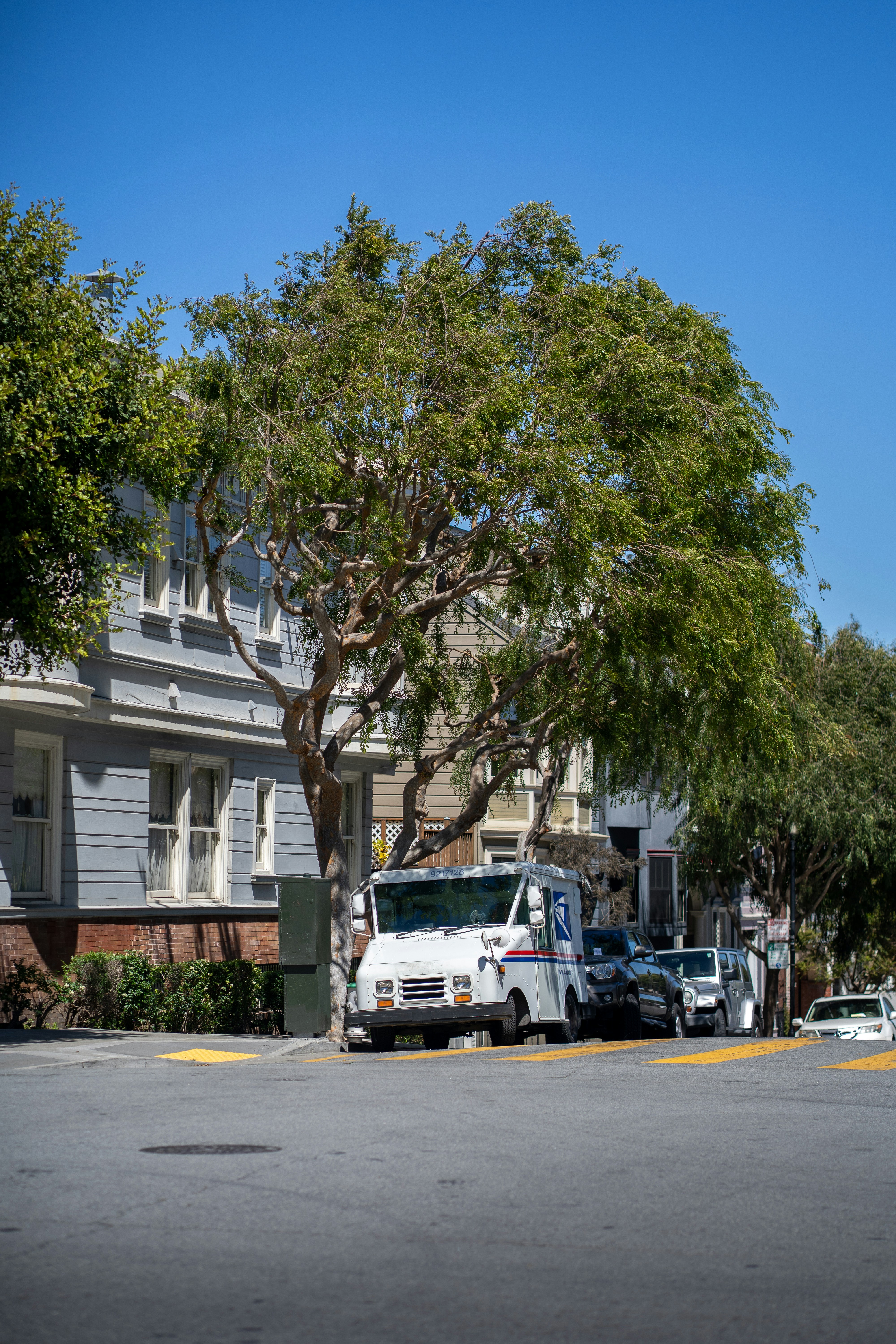
Larger lots on the Westside and out toward less-developed pockets of the county tend to grow up fast between mowings, especially where brush and saplings take over an unused corner. Bush hogging clears that overgrowth down to manageable ground cover in a single pass. You get usable land back instead of a section of yard you've been avoiding. This works well on anywhere from a quarter acre to several acres of neglected property.
Emergency Tree Service
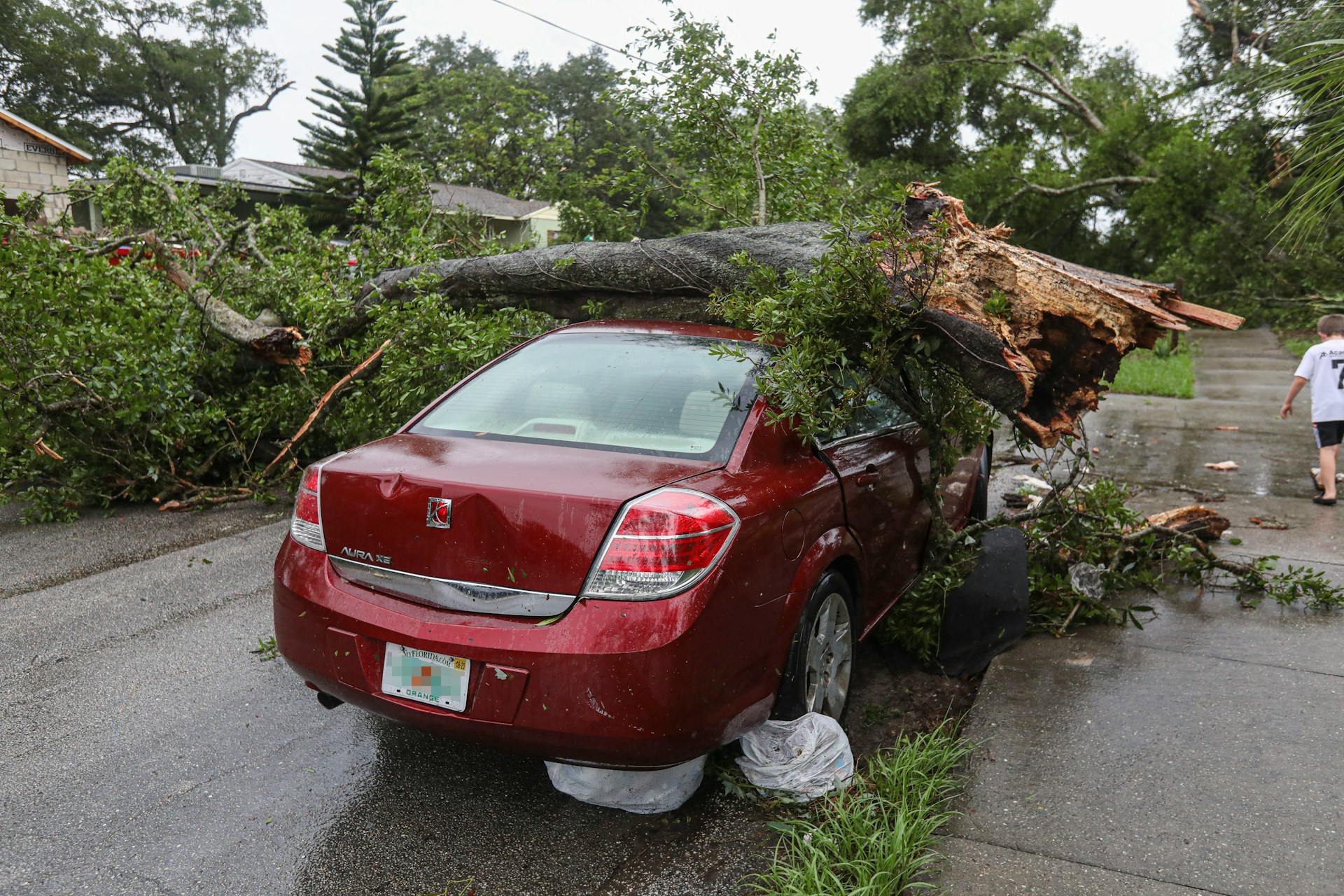
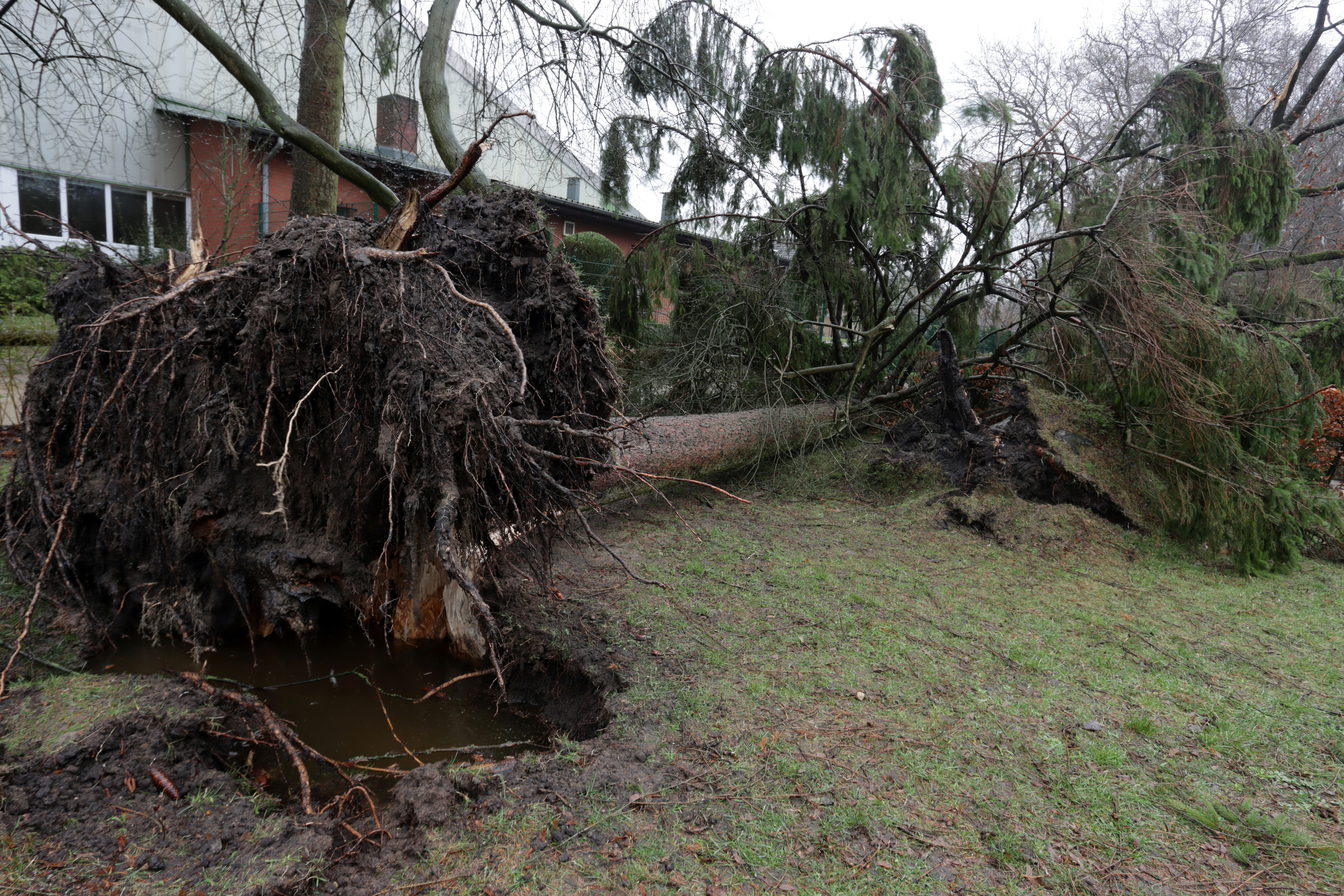
A fallen pine blocking your driveway at 2am doesn't wait for business hours, and neither do they. Their crew responds to leaning trees, snapped limbs, and full blockages any time of day or night, prioritizing whatever's putting people or property at risk first. Downed power lines get flagged and reported before anyone touches the tree. Tall pines take frequent lightning hits during Jacksonville's summer storm season, so this call comes in more than people expect.
Retention Pond Cleanup
Heavy rainfall pushes brush, fallen limbs, and silt into retention ponds faster than most property owners realize, and a clogged pond stops draining the way it's supposed to. They clear vegetation and debris from the banks and water line so the pond keeps functioning as part of your stormwater system. This keeps standing water from becoming a mosquito problem or a drainage complaint from the county. HOA-managed communities schedule this work seasonally to stay ahead of it.
Why Choose Them?
Decades of Local Experience
They've worked Jacksonville's soil, storms, and tree species since 1990, so they're not guessing at what a live oak near the river needs versus one on high ground.
Upfront Pricing
Every job starts with a free written estimate and no deposit required, so you know the cost before any equipment shows up.
Licensed, Insured, and On Call
Their crews carry full licensing and insurance, and someone answers the phone 24/7 for storm damage and fallen trees.
Arborist-Led Evaluations
An experienced arborist inspects every property before work begins, checking for decay, species-specific risk, and storm history that a general crew might miss.
Equipment Matched to the Job
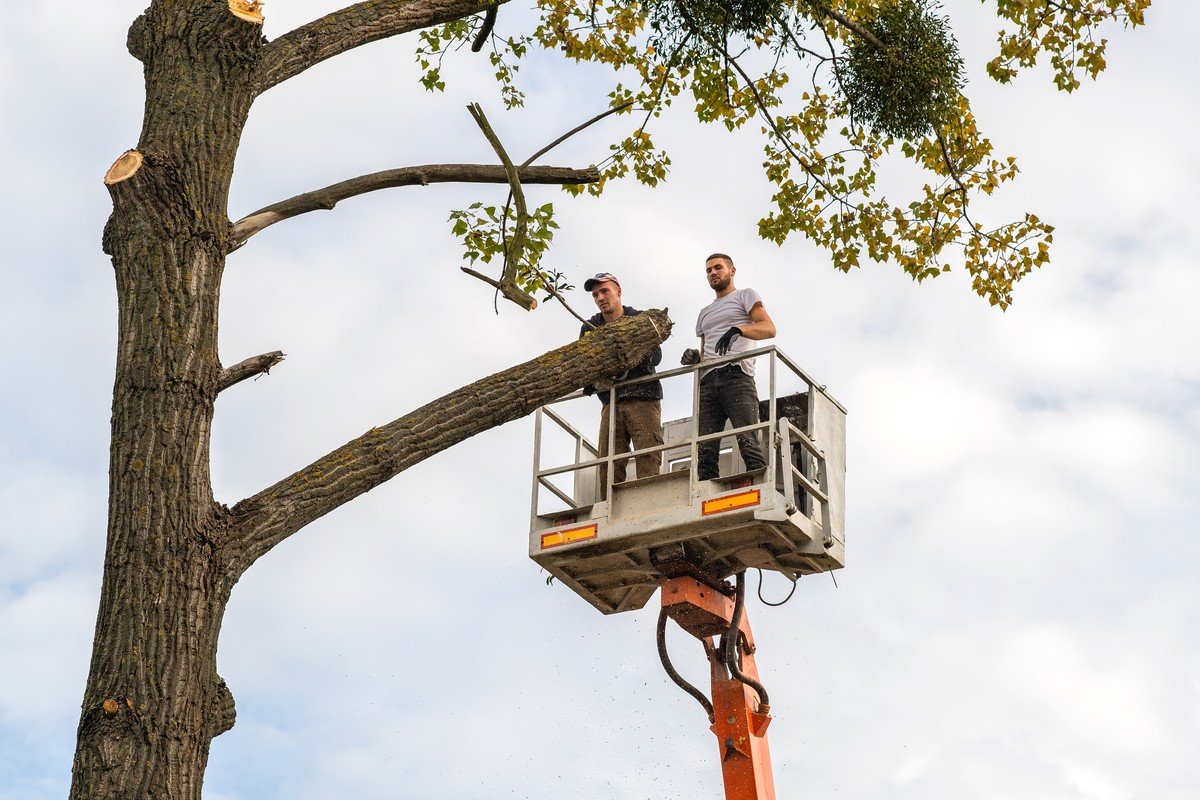
They bring cranes, bucket trucks, or aerial lifts depending on overhead lines and access, instead of forcing every tree through the same removal method.
Respect for Your Property
They plan around fences, sheds, septic lines, and driveways before the first cut, and they clean up branches and sawdust so your yard looks the way it did when they arrived.
Benefits of Professional Tree Service
Lower Storm Risk
Removing deadwood and weak limbs before hurricane season cuts down on what can snap loose in high wind.
Healthier Trees Long-Term
Proper pruning at the right time of year keeps disease and pest damage from spreading through a canopy.
Protected Property Value
A well-maintained yard with sound trees holds curb appeal and avoids the liability of a hazard tree near a structure.
Faster Storm Recovery
Having a crew you already trust means less waiting when a tree comes down and blocks your driveway or damages your roof.
Safer DIY Avoidance
Cutting a leaning tree or grinding a stump yourself risks injury that a trained crew with the right equipment avoids.
Cleaner Yards
Full cleanup after every job means no branches, sawdust piles, or wood chips left behind for you to deal with.
Areas They Serve Near Jacksonville, FL
FAQs
Most jobs land between $218 and $1,745, with the average homeowner spending around $654. Trimming typically runs $403 to $522 per tree, while full removal can range from $350 up past $2,500 depending on size and hazard level.
Not if a licensed arborist confirms the tree is dead, dying, or hazardous, at least for single-family homes. HOA rules can still apply on top of state law, so they check both before scheduling.
Mature oaks and hardwoods generally do fine on a 3 to 5 year trimming cycle. Younger trees benefit from pruning every 1 to 2 years while they're still developing their branch structure.
Stay clear of the tree and check for downed power lines before doing anything else. Take photos for your insurance claim, then call them once the area is safe so they can remove it.
No, grinding or removing a stump is billed separately from the tree removal itself. Pricing usually falls between $75 and $425 per stump based on diameter and accessibility.
Yes, they run 24/7 emergency response specifically because Jacksonville's storm season brings down limbs and full trees with little warning. Pre-storm trimming is also available if you want to reduce risk before the weather hits.
Learn About Tree Care
Quick Links